2025 Guide to Removable Partials for Effective Dental Solutions
When it comes to dental solutions, Removable Partials play a crucial role in restoring functionality and aesthetics. Many individuals face challenges with missing teeth. Removable Partials offer a viable option for those seeking to regain their smile. These appliances are custom-designed to fit comfortably, providing support for surrounding teeth.
One common concern is the adjustment period. Patients often need time to adapt to wearing Removable Partials. This can lead to frustration but is a natural part of the process. It’s essential to communicate with dental professionals for optimal comfort and fit.
Another aspect worth noting is maintenance. Proper care is vital for the longevity of Removable Partials. Regular cleaning is necessary to prevent plaque buildup. Neglecting this can lead to complications. It’s important to consider both the benefits and responsibilities that come with using Removable Partials. Through reflection, patients can find a suitable balance between convenience and care.
Overview of Removable Partials: Definition and Purpose
Removable partial dentures (RPDs) are designed to replace missing teeth. They help restore functionality and aesthetics for patients. RPDs can significantly improve a patient's quality of life. According to a study from the American Dental Association, nearly 120 million Americans are missing at least one tooth. For these individuals, removable partial dentures provide a viable solution.
The primary purpose of RPDs is to restore chewing efficiency. They help in speaking clearly, which many may overlook. The flexibility of removable dentures allows easy maintenance. However, they are not without challenges. Some patients experience discomfort or difficulty in adapting. A survey shows that about 30% of patients report issues in fitting. This highlights the need for proper guidance and adjustment.
Quality materials play a key role in the effectiveness of RPDs. Many patients may not realize that poorly fitted dentures can lead to oral health issues. An estimated 25% of denture wearers face complications like gum irritation or bone loss. Regular check-ups and professional advice are crucial. Education around removable partials needs to improve, ensuring patients are informed about their choices and maintenance.
2025 Guide to Removable Partials for Effective Dental Solutions
This chart illustrates the various factors that influence the effectiveness of removable partial dentures, with each factor rated on a scale from 0 to 100. The data reflects the importance placed on cost, durability, comfort, aesthetics, and maintenance by dental professionals.
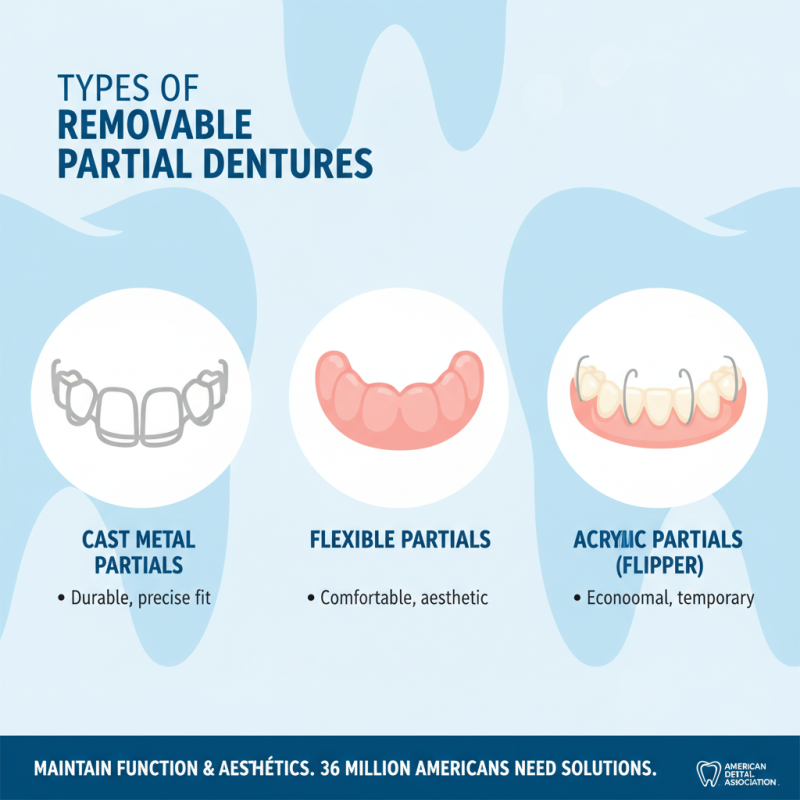
Types of Removable Partials: Options for Various Dental Needs
When considering removable partials, understanding the types available is crucial. These dental solutions cater to various needs, ensuring patients have options to maintain functionality and aesthetics. According to the American Dental Association, approximately 36 million adults in the U.S. are missing all their teeth. For many of them, removable partial dentures can provide a lifeline.
There are two primary types of removable partials: acrylic and metal framework. Acrylic dentures are often lighter and less expensive, appealing to budget-conscious patients. However, they can be less durable and may require more frequent adjustments. Metal frameworks, while more robust, are typically pricier. A study published in the Journal of Prosthetic Dentistry shows that 70% of patients preferred metal frames for their longevity. These choices reflect the balance between affordability and durability that each patient will have to navigate.
Despite their advantages, removable partials come with challenges. Some patients experience discomfort or can struggle with fit over time, leading to alterations in speech or eating habits. Regular follow-ups are essential, yet many neglect these appointments. A survey found that 42% of patients rarely return for routine checks, risking the effectiveness of their dental solutions. It's crucial for practitioners to encourage ongoing communication to address these common pitfalls.
Benefits of Removable Partials: Improving Function and Aesthetics
Removable partial dentures (RPDs) offer numerous benefits that enhance both function and aesthetics for individuals with missing teeth. They provide support for existing teeth while filling the gaps, which can improve biting and chewing efficiency. For many, the ability to enjoy a varied diet again is a significant advantage. Eating becomes more enjoyable without the worry of discomfort.
Aesthetic improvements are equally notable. Removable partials can restore the natural contour of the smile. They help in preventing the facial structure from collapsing due to missing teeth. The improved appearance can boost confidence in social interactions. However, it’s essential to note that not every partial denture fits seamlessly for everyone. Some may feel uncomfortable, leading to difficulty in speech or eating.
Adjustments may be necessary for comfort. Not all patients find the transition easy. Regular check-ups are vital to ensure a proper fit and function. Over time, one might deal with wear or changes in the mouth that affect the partial’s performance. This requires a thoughtful approach to one’s dental care routine, ensuring optimal use and maintaining both function and beauty.
Considerations for Choosing Removable Partials: Factors and Recommendations
Choosing removable partials for dental solutions involves several crucial considerations. The fit of the partial is vital. Ill-fitting dentures can lead to discomfort and oral issues. Regular adjustments may be needed to ensure they sit correctly. A good fit enhances functionality and boosts confidence in social situations.
Aesthetic appeal is another factor to consider. The shade and material of the partial should match natural teeth. It can be frustrating when partials look obvious. Discussing options with a dental professional can clarify alternatives. Longevity is equally important; a durable solution can save time and money. Reflecting on one’s lifestyle helps. Active individuals may prefer more robust materials. Think about maintenance; simpler care routines can lead to better health outcomes.
Care and Maintenance of Removable Partials: Best Practices for Longevity
Caring for removable partials is essential for longevity and effectiveness. According to a study by the American College of Prosthodontists, proper maintenance increases the lifespan of these dental solutions significantly. Patients often neglect their devices, leading to plaque buildup and gum irritation. A consistent cleaning routine can prevent these issues.
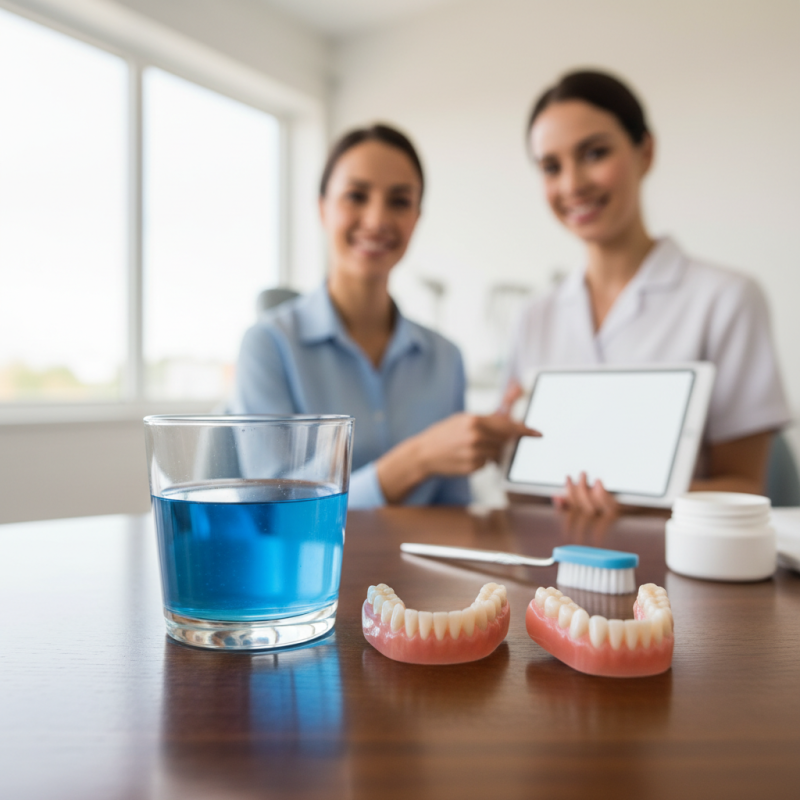
Tips: Rinse your partial after meals to remove food particles. Use a soft-bristle brush, as hard brushes may cause scratches. Regularly soak your partials in a mild solution to keep them fresh.
Incorporating regular dental check-ups into your care plan is crucial. Studies show that patients who see their dentists every six months report better outcomes. A professional can identify potential issues early, preventing costly repairs. Avoid chemicals that can degrade the material, as this will shorten their life.
Tips: Always allow your partials to dry before storing them. Moist environments encourage bacteria growth. If your partial feels loose or uncomfortable, consult your dentist. Don’t ignore any changes, as they may indicate wear or damage.
2025 Guide to Removable Partials for Effective Dental Solutions - Care and Maintenance of Removable Partials: Best Practices for Longevity
| Practice Area |
Description |
Frequency |
Benefits |
| Daily Cleaning |
Use a soft-bristled toothbrush and mild soap or denture cleanser to clean removable partials. |
Daily |
Removes food particles and bacterial buildup. |
| Soaking Solution |
Soak partials in a denture-cleaning solution to eliminate stains and odors. |
2-3 times a week |
Keeps partials fresh and maintained. |
| Avoiding Heat |
Keep partials away from heat sources, as heat can warp them. |
Always |
Prevents damage and maintains shape. |
| Regular Check-ups |
Visit a dentist for professional examinations and adjustments. |
Every 6 months |
Ensures proper fit and comfort. |
| Proper Storage |
Store removable partials in water when not in use to prevent drying out. |
When not in use |
Prevents material degradation and keeps them ready for use. |