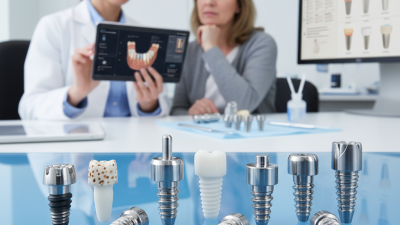
2026 Top Digital Dentures Types for Global Buyers?
Digital Dentures are moving from specialist workflows into mainstream removable prosthodontics. Their growth reflects better scanning, computer-aided design, milling, and additive manufacturing. Grand View Research identifies digital dentistry as a rapidly expanding market, supported by CAD/CAM adoption and stronger laboratory capabilities. MarketsandMarkets also projects continued growth in 3D printing within dentistry, although forecasts vary by region, product definition, and reporting year.
The practical question for global buyers is not simply, “Which denture is newest?” It is, “Which type fits the clinical workflow?” Milled Digital Dentures usually offer dense, consistent bases and repeatable shade results. 3D-printed dentures can reduce material waste and support faster production. Hybrid workflows combine printed try-ins with milled final bases. Conventional-appearing dentures may still be preferable when budgets, repair access, or local laboratory skills are limited.
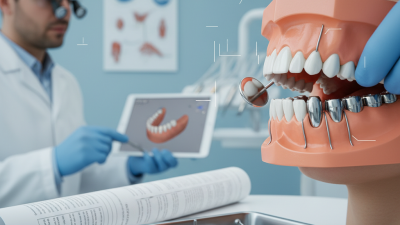
Small details matter. A technician checks scan margins, tooth arrangement, occlusion, and post-processing under bright bench lighting. A clinician verifies fit, speech, facial support, and patient comfort before delivery. The World Health Organization’s Global Oral Health Status Report highlights the continuing burden of tooth loss worldwide, creating demand for accessible and maintainable prosthetic solutions. However, market forecasts cannot replace clinical judgment. They also do not guarantee long-term performance.
Materials, software compatibility, validated workflows, and after-sales support deserve equal attention. Regulatory requirements differ across markets. Buyers should request documented material data, traceability, warranty terms, and evidence from qualified dental professionals. The category is promising. It is not automatically risk-free. A thoughtful 2026 purchasing decision balances speed, accuracy, patient needs, laboratory experience, and realistic maintenance expectations.
What Are Digital Dentures and How Are They Made?
Digital Dentures: What They Are and How They Are Made
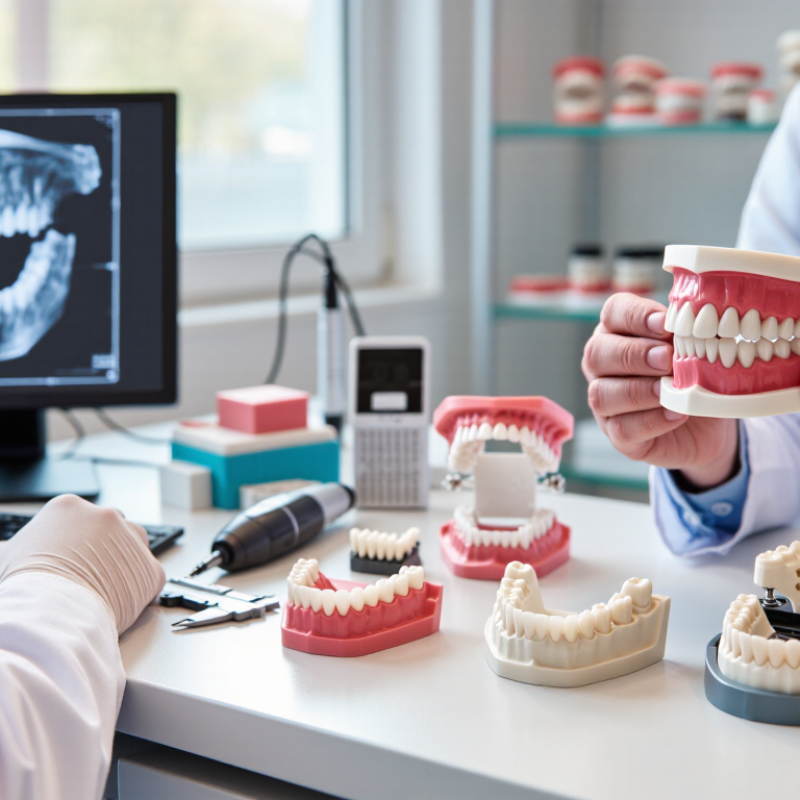
Digital dentures are removable prostheses designed with computer software and manufactured from digital records. A dentist or dental technician begins by examining oral tissues, jaw movement, and existing teeth. Intraoral scans may capture the mouth, while facial photographs and bite records add useful reference points. Traditional impressions can still help when scanning is difficult.
The records enter a computer-aided design workflow. Technicians arrange artificial teeth, shape the gum-colored base, and adjust the bite virtually. The proposed design may be reviewed before production. A trial denture can reveal pressure areas, speech problems, or an unnatural smile. Small changes matter. Comfort is not purely digital.
After approval, the denture base and teeth are milled from pre-cured material or produced through controlled 3D printing. Technicians then clean, polish, assemble, and inspect the appliance. The dentist checks retention, stability, chewing, and soft-tissue contact during fitting. Adjustments may still be necessary after several days of wear. This is where clinical experience remains essential. Digital records can support repeat production, but they cannot predict every patient’s healing response or daily habits. Global buyers should request material information, production records, fit verification, and clear maintenance guidance. Quality depends on the scan, design decisions, manufacturing controls, and final clinical adjustment, not on software alone.
Which Digital Denture Types Will Lead the 2026 Market?
Which Digital Denture Types Will Lead the 2026 Market?
In 2026, digitally milled dentures are likely to remain a leading choice for global buyers. Their pre-polymerized materials offer consistent density, cleaner surfaces, and dependable fit. Clinics also value stored digital records for faster remakes after loss or damage. In practical use, a technician can review the denture design on screen before production. This reduces some adjustment surprises, although it does not eliminate them. Printed dentures will expand quickly, especially for temporary, immediate, and cost-sensitive treatments. Their flexible production suits clinics with changing patient volumes. Material durability and long-term clinical evidence still need careful review.
Tips: Compare verified flexural strength, water absorption, tooth bonding, and wear data. Ask whether the supplier provides validated workflows, traceable materials, and clear maintenance guidance. A low purchase price can become expensive when post-delivery adjustments increase. Check local requirements before importing or using any dental material. Patient comfort matters more than production speed.
Hybrid digital dentures may lead in cases requiring stronger bases, customized teeth, or selective replacement. They combine digital design with different manufacturing steps, giving technicians more control over esthetics and function. This approach can create natural-looking gum contours and precise occlusion. However, workflows may become complicated when software, printers, milling systems, and finishing methods do not align. I have seen digital accuracy weakened by poor scanning, unstable records, or rushed bite registration. That limitation is easy to underestimate. Buyers should judge the complete workflow, not one impressive machine specification.
How Do Materials and Manufacturing Methods Differ?
For global buyers, digital dentures differ mainly by material, workflow, and finishing control. Milled dentures usually use pre-polymerized PMMA discs. Their dense structure reduces residual monomer and processing shrinkage. ISO 20795-1 identifies key requirements for denture base polymers, including flexural strength and water sorption. These details matter when patients wear dentures daily.
Printed dentures use photopolymer resin and layer-by-layer production. They can reduce material waste and support rapid replacement workflows. However, resin performance depends on curing, washing, and post-curing accuracy. A poorly cured base may feel rough or develop odor. The U.S. National Institute of Dental and Craniofacial Research reports that tooth loss remains common among older adults, increasing demand for dependable removable solutions. Speed alone is not enough.
Conventional heat-cured dentures still provide familiar results and broad laboratory experience. They use acrylic powder and liquid, followed by controlled polymerization. This method may require more manual labor, but technicians can adjust borders and occlusion during processing. The World Health Organization’s Global Oral Health Status Report estimates that oral diseases affect nearly 3.5 billion people worldwide. Buyers should compare local laboratory skills, repair access, material certificates, and patient comfort. No method wins everywhere. One overlooked issue is maintenance: even accurate digital dentures can fail when fit checks are skipped. Procurement teams should request validated workflows, batch records, and realistic replacement timelines.
How Can Buyers Evaluate Suppliers, Costs, and Compliance?
2026 Top Digital Dentures Types for Global Buyers
Digital dentures usually fall into three groups: milled, printed, and hybrid designs. Milled dentures use pre-polymerized discs and often provide consistent fit and strength. Printed dentures can reduce material waste and support faster customization. Hybrid workflows combine printed bases with prefabricated teeth. Each option suits different clinical volumes, repair needs, and patient expectations.
Supplier evaluation should begin with evidence, not attractive samples. The World Health Organization reported in 2022 that oral diseases affect nearly 3.5 billion people globally. Complete tooth loss affects about 7% of adults aged 20 and older. Demand is real, but quality cannot be assumed. Ask for material certificates, batch records, dimensional inspection data, and documented remake rates. ISO 13485 certification can indicate a structured quality system, but it does not guarantee every product’s clinical performance. That distinction matters.
Cost comparisons should include scanning, design, printing or milling, finishing, shipping, taxes, adjustments, and remakes. A low unit price may become expensive after repeated fit corrections. Request a sample case with defined acceptance criteria. Check whether the supplier supports local registration, labeling, patient-data protection, and traceability requirements. Requirements differ across markets. Never rely on one certificate. I would also review response times and complaint handling. They reveal operational maturity. Some suppliers publish impressive accuracy figures without explaining testing conditions. That deserves a careful question. According to ISO 14971 principles, risk management should continue throughout the product lifecycle, not stop after delivery.
2026 Top Digital Denture Types for Global Buyers
How can buyers evaluate suppliers, costs, and compliance?
The chart compares commonly quoted manufacturing price ranges per denture arch. Prices are indicative global screening benchmarks and vary according to materials, finishing, customization, order volume, shipping, and local regulatory requirements.
Buyers should request ISO 13485 quality-system evidence, material safety and biocompatibility documentation, traceability records, digital design files, production lead times, remake policies, and the supplier’s authorization to sell medical devices in the target market.