Choosing the best Full Zirconia for 2026 is not about finding one material that wins every case. A posterior crown exposed to heavy bite forces has different needs from an anterior restoration, where shade and natural light transmission may matter more. A useful comparison looks beyond packaging claims. It considers published strength and translucency data, composition, clinical indications, and the manufacturer’s milling and sintering instructions. Small details count. A highly translucent disc may suit one restoration, yet offer less strength than a more opaque option. Familiarity with the workflow matters, too. A technically impressive material can still produce disappointing results when its processing steps are poorly controlled.
This guide will compare Full Zirconia options by their intended use, evidence, handling requirements, and practical trade-offs. It will also consider how shade selection, restoration thickness, polishing, and the patient’s bite can affect the final choice. Independent research and current manufacturer documentation deserve more weight than broad marketing promises. Ask for context. Strength figures, for example, are not a complete prediction of how a restoration will perform in every mouth. The best choice depends on the clinical situation, the laboratory’s experience, and the dentist’s judgment. There may be no single winner for 2026—and that is worth keeping in mind when comparing materials.
What Is the Best Full Zirconia for 2026?
What Full Zirconia Means in Dental Restorations
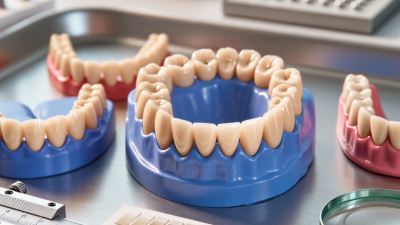
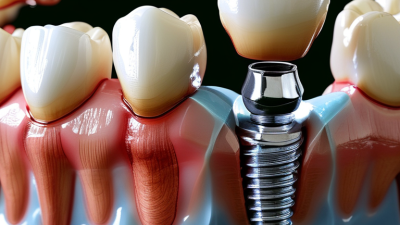
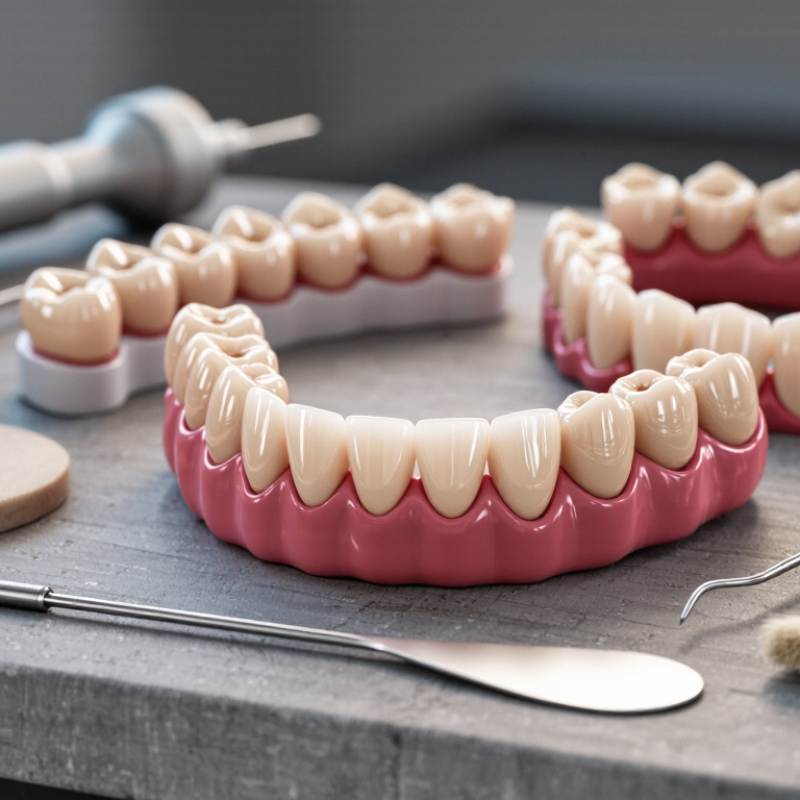
Full zirconia usually means a crown made from zirconia throughout, rather than porcelain layered over a metal framework. Many restorations are monolithic: one continuous ceramic body forms the crown’s visible shape. No metal core. Some designs may still receive surface staining or characterization for a more natural appearance.
This construction can reduce chipping of a separate porcelain veneer. However, zirconia can still fracture, and a rough or poorly adjusted surface may wear opposing teeth. Careful polishing matters. “Full zirconia” also does not identify one fixed level of strength or translucency. Materials vary, and a more translucent appearance may involve different trade-offs than a more opaque one.
A dentist considers the tooth’s position, bite, remaining structure, and cosmetic needs before recommending a restoration. A back tooth under heavy chewing forces may call for different priorities than a front tooth in a visible smile. The laboratory’s design and finishing also affect the result. Not automatically. The label alone cannot establish that a crown is suitable; the treatment plan and clinical examination matter.
What Is the Best Full Zirconia for 2026?
How Full Zirconia Types Differ in Strength and Appearance
Full zirconia is not one uniform material. Its strength and translucency depend partly on its composition, thickness, and processing.
Traditional 3Y zirconia generally offers high strength but can look more opaque, especially in thin areas. It may suit back teeth where chewing forces are substantial. The trade-off is visible. A bright, natural-looking front tooth can be harder to achieve.
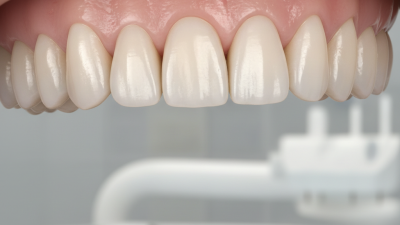
Higher-translucency 4Y and 5Y zirconias allow more light through, helping crowns blend with nearby teeth. But increased translucency often comes with reduced strength compared with 3Y materials. That difference matters for long spans, heavy bite forces, or limited restoration thickness.
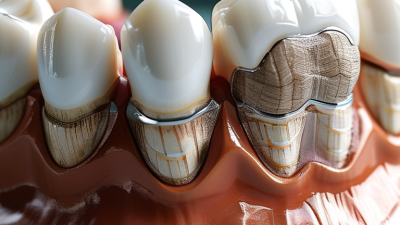
Multilayer zirconia adds gradual color changes, from a darker neck to a lighter edge. The effect can look convincing, though the shade transition may not match every tooth.
There is no single best type for every case. A dentist should weigh tooth position, bite, available space, and the patient’s appearance goals. The underlying tooth color can also show through more translucent zirconia.
Small details matter. Ask which zirconia category is planned and why. I would not choose by a “strength” label alone; material data and restoration design both deserve a careful look.
A beautiful crown that chips, or a durable one that looks flat, is still a compromise.
For full-contour zirconia in 2026, compare more than the headline strength value. ISO 6872:2015 sets a minimum flexural strength of 800 MPa for Class 5 ceramic materials. That is a threshold, not a guarantee of clinical performance. The 2018 review by Zhang and Lawn in the Journal of Dental Research reports conventional 3Y-TZP strengths commonly around 900–1,200 MPa. Higher-yttria formulations generally allow more translucency, but may sacrifice some strength. These figures are useful benchmarks, not direct rankings across different test methods. Not the whole story.
Check translucency alongside strength, especially at the planned restoration thickness and shade. Also compare fracture toughness, aging resistance, and guidance for connector dimensions. Processing matters: sintering schedules and surface finishing can affect the final result. A rough adjustment may increase wear on opposing teeth, so ask how the material should be polished after adjustment. Do not choose by MPa alone. I would question any claim of one “best” zirconia; bite forces, preparation space, and esthetic needs change the trade-off.
Choosing full zirconia starts with the restoration, not a single “best” material. A posterior molar facing heavy bite forces may call for a stronger, less translucent formulation. A visible front crown may benefit from greater translucency, provided the preparation and underlying tooth color support it. No shortcut here.
Patient needs change the decision. For someone who grinds their teeth, strength and careful occlusal adjustment deserve close attention. For a patient with a high smile line, shade and surface characterization may matter more. Ask about available space, too: limited clearance can affect crown thickness and material selection. The opposing teeth matter as well. Rough adjustments left unpolished can increase wear on the opposing surface, so finishing protocols should be followed.
These choices depend on the specific zirconia’s documented properties and the laboratory’s processing instructions. A dentist and dental technician should discuss the case before fabrication, including shade, margin design, cementation plan, and bite contacts. A chart cannot capture every patient. Sometimes the desired translucency and the required strength do not align neatly; that trade-off should be explained rather than hidden. Details matter. Regular follow-up can reveal changes in comfort, bite, or surrounding tissues that were not obvious at delivery.
Match zirconia to the restoration’s strength demands and esthetic priorities.
Typical flexural strength ranges vary by product and test method. 3Y is generally selected when strength is the priority, 4Y offers a balance of strength and translucency, and 5Y is often chosen for highly esthetic restorations where translucency matters more. Confirm the specific product’s indications and instructions for use, and consider the restoration design, location, and patient’s bite.
Full zirconia is not one material with a single ideal strength or appearance. The right choice depends on tooth position, bite forces, available thickness, and esthetic expectations. Ask for flexural-strength data, translucency category, and recommended indications, then compare them with the clinical case. Numbers matter. But they do not tell the whole story.
For a molar with limited clearance, a clinician may prioritize strength and adequate ceramic thickness. For a visible tooth, higher translucency can improve light transmission, though it may reduce strength in some formulations. Check the sintering schedule, shade options, and compatibility with the laboratory’s equipment.
Assess marginal fit and contact points, too—not just shade under bright lights. Ask how the restoration may affect opposing enamel, especially if the patient grinds their teeth. No option is perfect.
I would be cautious about choosing by strength figures alone; that shortcut can overlook real clinical demands. Discuss the case with a qualified dental professional and laboratory, and refer to current material documentation rather than assumptions.