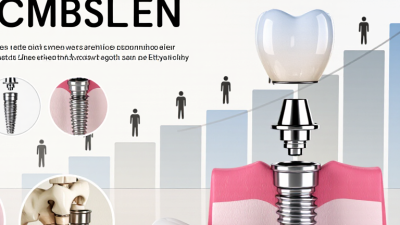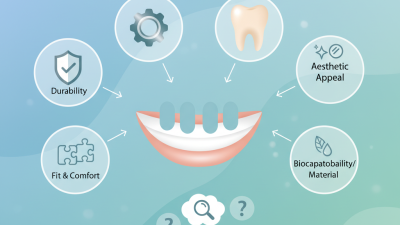
Porcelain Dental Implants are gaining attention among patients seeking metal-free, natural-looking tooth replacement. Yet, the term can be misleading. Modern clinical products are usually made from high-strength zirconia, not traditional porcelain. This distinction matters because material strength, surface design, and long-term evidence influence treatment safety.
The World Health Organization’s Global Oral Health Status Report 2022 estimates that oral diseases affect nearly 3.5 billion people worldwide. It also identifies untreated tooth loss as a major health burden. Meanwhile, Grand View Research reported continued growth in the global dental implants market, supported by digital dentistry, aging populations, and rising aesthetic expectations. These figures show demand, not guaranteed clinical success. Patient selection remains critical.
Professor Matthias Kern, a recognized researcher in ceramic implant dentistry, has stated, “Ceramic implants are a promising alternative, but long-term clinical evidence remains essential.” That caution deserves attention. Zirconia implants can provide favorable aesthetics around thin gum tissue, especially in visible front-tooth areas. However, they may involve higher costs, limited prosthetic options, and less extensive long-term data than titanium systems. The final choice should follow radiographic assessment, periodontal evaluation, occlusal analysis, and the dentist’s experience.
The details are tangible. A poorly planned implant can create an uneven gum line, food traps, or difficult cleaning. Digital scans improve precision, but technology cannot replace clinical judgment. This guide examines leading Porcelain Dental Implants suppliers, manufacturing standards, certifications, clinical evidence, and after-sales support. Some market claims remain incomplete. Readers should question them carefully.
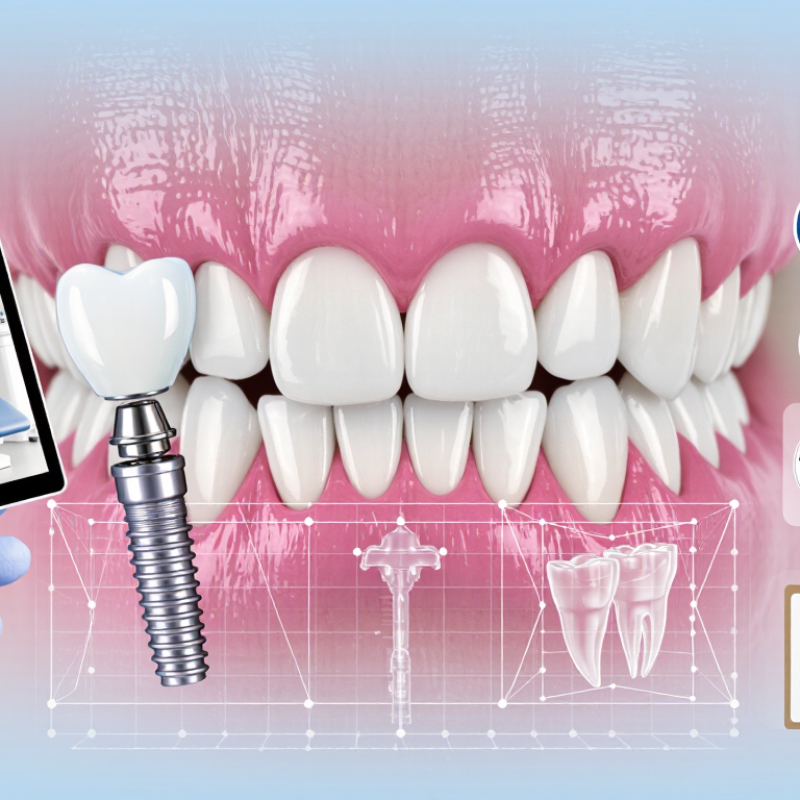
A reliable porcelain dental implant supplier in China should explain exactly what “porcelain” means.
Many ceramic implants are made from zirconia, while porcelain may describe a restoration or surface material. Ask for the implant’s material specification, intended use, and technical drawings. Clear terminology prevents costly confusion.
Look for traceable material records, documented production checks, and batch-level inspection results.
Request evidence supporting biocompatibility and sterilization claims, plus measurements for threads, connection geometry, and surface finish. Good answers include limitations, not only polished brochures. Ask how nonconforming parts are handled, then check whether samples match their records. Small details matter. It is tempting to treat a neat certificate as proof; it is not.
Communication is another practical test.
Can the supplier answer technical questions plainly, provide current documents, and explain lead times consistently? A video tour or audit may help, but neither replaces independent review. Compare packaging, labeling, and export documents before ordering. No supplier removes clinical uncertainty. Ceramic systems may not suit every patient or case, so selection belongs with qualified dental professionals. Ask what happens when a component fails inspection; the answer can reveal more than a sales presentation.
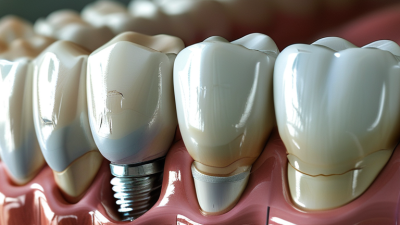
Porcelain dental implants usually refer to ceramic implants, especially zirconia implants, rather than traditional porcelain crowns. Zirconia is strong, white, and metal-free, making it attractive when gum appearance matters. Alumina was used earlier, but its lower fracture resistance limits modern use. A 2023 systematic review in Clinical Oral Implants Research reported approximately 97% five-year survival for one-piece zirconia implants. However, evidence remains smaller than titanium research. That difference matters.
Two-piece zirconia implants offer a separate abutment and more flexible restoration design. One-piece systems combine the implant and abutment, but require careful provisional planning. Ceramic implants may reduce gray shine through thin gum tissue. Their rigid structure can also transfer stress differently. The European Association for Osseointegration notes that long-term clinical evidence for ceramic implants is still developing. A clean-looking result is not automatically a durable result.
Tips: Ask whether “porcelain” means the implant, abutment, or visible crown. Request five-year clinical data for the exact design. Review bone density, gum thickness, bite force, and smoking history with a qualified dentist. Digital scans improve planning, but they cannot replace clinical judgment. I would avoid choosing ceramic only for color; maintenance access and evidence deserve equal attention. Some published studies use small samples, so confident claims should be questioned.
China Best Porcelain Dental Implants Supplier? Quality Standards and Manufacturing Processes
“Porcelain implant” can be an imprecise term. Most ceramic implants use yttria-stabilized zirconia, while porcelain usually covers the visible crown. A reliable supplier should clearly separate these materials. The WHO Global Oral Health Status Report 2022 estimates that oral diseases affect nearly 3.5 billion people worldwide. That demand makes traceable manufacturing essential, not optional.
Quality begins with certified systems and measurable controls. ISO 13485 supports medical-device quality management, while ISO 13356 addresses zirconia materials for surgical implants. Biocompatibility testing should follow ISO 10993, including chemical characterization and biological evaluation. Manufacturing records should show powder composition, pressing, sintering temperatures, dimensional inspection, and surface treatment. Small flaws matter. A rough thread or hidden pore can affect osseointegration. Yet certificates alone do not prove consistent performance. Suppliers should provide batch records, sterilization validation, packaging tests, and independent laboratory reports.
Tips: Ask for the exact ceramic grade, not only “premium zirconia.” Request implant-body and crown specifications separately. Check whether surface roughness is measured and reported. Review aging tests, because zirconia performance can change after long exposure to moisture. Factory visits are useful, but one visit cannot represent every batch. That limitation deserves honest attention. A supplier’s strongest evidence is repeatable data, transparent documentation, and clinical feedback collected over time.
| Evaluation Dimension | Relevant Standard or Quality Benchmark | Manufacturing Process or Evidence to Review | What It Means for Buyers |
|---|---|---|---|
| Implant material | Dental implant fixtures marketed as “ceramic” are commonly made from yttria-stabilized tetragonal zirconia (Y-TZP). “Porcelain” is not the usual technical name for an implant fixture material. | Review the material specification, supplier certificates, lot traceability, and test documentation for the zirconia feedstock or blanks. | Confirm the exact material and intended use rather than relying on the word “porcelain” in marketing descriptions. |
| Material requirements | ISO 13356 addresses ceramic materials based on yttria-stabilized tetragonal zirconia for surgical implants. ISO 6872 covers dental ceramic materials and is not, by itself, a complete implant qualification. | Check which standards are applicable to the specific device and request the corresponding material and product test reports. | A standard’s scope matters; compliance with a dental ceramic standard alone does not establish that a finished implant meets all implant requirements. |
| Quality management system | ISO 13485 is the widely used quality-management-system standard for medical devices. | Verify the certificate’s scope, issuing body, validity, manufacturing site, and whether the implant product category is covered. | A valid certificate supports confidence in controlled processes, but it is not a substitute for product-specific regulatory authorization. |
| Risk management | ISO 14971 describes risk-management principles and processes for medical devices. | Review evidence that risks are identified and controlled across design, production, packaging, and use, including material and fracture-related risks. | Risk management should be connected to the device’s design and intended clinical use, not presented only as a generic policy. |
| Design and machining | Dimensional requirements should be defined for the specific implant design and its interfaces; there is no single universal dimension set for all implant systems. | Review controlled drawings, machining controls, inspection records, and verification of the implant–abutment interface where applicable. | Consistent dimensions and interface fit are important for compatibility, assembly, and repeatable clinical performance. |
| Sintering and material processing | Processing must be validated for the selected zirconia material and device design; suitable process limits are manufacturer- and product-specific. | Ask for documented furnace controls, batch records, process validation, and testing that supports the finished material’s required properties. | Do not assume a particular sintering temperature or cycle is universal; assess documented control and product-specific results. |
| Surface finishing | Surface characteristics should be specified and controlled for the intended implant design and clinical application. | Review the defined surface-treatment process, inspection criteria, cleaning controls, and evidence that processing does not compromise the device. | Request product-specific specifications instead of treating one surface roughness value as a universal pass/fail benchmark. |
| Mechanical performance | Testing should be appropriate to the implant design, material, and intended use; applicable test methods and acceptance criteria should be documented. | Request reports for relevant mechanical tests, such as strength or fatigue testing where applicable, and confirm that samples represent the finished device. | Results are meaningful only when the method, sample configuration, acceptance criteria, and tested product version are clear. |
| Biological evaluation | ISO 10993 provides a framework for biological evaluation of medical devices, with the evaluation selected according to the device and its contact characteristics. | Review the biological evaluation rationale and applicable test or assessment reports for the finished device and its patient-contacting materials. | A supplier should explain how the evaluation applies to the actual product; a general material statement alone is insufficient. |
| Cleaning and sterilization | For products supplied sterile, sterilization and packaging processes require validation appropriate to the selected method. Relevant standards include ISO 11135 for ethylene oxide, ISO 11137 for radiation, and ISO 17665 for moist heat. | Check the stated sterilization method, validation and routine-control records, packaging integrity evidence, and labeled shelf life. | These methods are alternatives, not a requirement to use all of them. Confirm the method and claims for the specific product. |
| Inspection and traceability | Documented acceptance criteria and traceability should support identification of the device and its manufacturing history. | Review inspection records, lot or serial identification, nonconformance controls, and the process for handling complaints and corrective actions. | Traceability helps support quality investigations, field actions, and verification that supplied products match approved specifications. |
| Regulatory status in China | Medical-device registration or filing requirements depend on the product classification and applicable Chinese regulations. | Verify the current product-specific registration or filing information and confirm that the manufacturer, product, and manufacturing site match the records. | Do not infer authorization from a factory certificate, export history, or a registration held for a different product. |
| Supplier qualification | Supplier assessment should consider product-specific evidence, manufacturing controls, and the buyer’s intended market and use. | Compare technical files, certificates, test reports, audit evidence, change-control practices, and responsiveness to quality inquiries. | No supplier can be identified as “best” from standards alone; qualification should be based on verified, current evidence for the exact product. |
Note: Standards and regulatory requirements may be revised and can vary by market. Confirm the current applicable requirements and product-specific documentation before purchase.
When assessing a Chinese dental implant supplier, clarify what “porcelain implant” means. Porcelain is commonly used for crowns, while implant fixtures are typically made from other specified materials. Ask for a clear product description, material composition, dimensions, and intended clinical use. Vague terminology deserves a follow-up, not an assumption.
Review quality records, traceability, sterilization information, and material test reports. Check that lot numbers match across product labels and documents. Request relevant quality-system certificates and evidence supporting product performance. If possible, inspect sample packaging and evaluate whether instructions are clear. A polished brochure helps little if routine questions receive slow or inconsistent answers. No supplier is perfect; response times and documentation can vary, so record what remains uncertain.
Tips: Ask how defects are handled, whether production changes are documented, and how long records are retained. Compare sample quality with written specifications. Have a qualified dental professional review technical claims before making purchasing decisions.
China Best Porcelain Dental Implants Supplier?
Ordering porcelain or ceramic dental implant components from China requires more than comparing unit prices. The World Health Organization’s Global Oral Health Status Report 2022 estimates that 3.5 billion people live with oral diseases. That demand makes traceability essential. Request material certificates, batch numbers, sterilization records, and quality-system evidence such as ISO 13485 certification. Ask for samples before placing a large order. Small fit issues become expensive chairside problems.
Customization should begin with clinical details, not a catalog picture. Provide implant-system compatibility, dimensions, shade references, occlusal requirements, and digital files when available. A reliable supplier should confirm tolerances in writing and send a drawing for approval. The Global Dental Implant Market report by Grand View Research forecasts continued market growth through 2030, increasing pressure for faster production and consistent quality. Speed still needs limits. A rushed shade match may look acceptable under factory lights but fail beside natural teeth.
After-sales support reveals operational maturity. Confirm response times, replacement rules, complaint handling, and spare-part availability before payment. Keep communication records. Ask how nonconforming products are investigated and documented. In practice, clear photographs, lot numbers, and clinical feedback shorten resolution time. Not every supplier explains technical uncertainty well. That matters. A thoughtful supplier will admit when a design needs review instead of promising instant approval. Pricing is only one variable; dependable documentation, customization control, and accessible support protect the final restoration.