What Is a Dental Prosthesis and What Types Are Available?
A Dental Prosthesis is more than an artificial tooth placed in an empty space. It is a carefully designed restoration that can improve chewing, speech, facial support, and confidence. Some are fixed, while others can be removed for cleaning. The choice depends on oral health, bone support, lifestyle, budget, and long-term expectations.
A crown may protect a weakened tooth. A bridge can replace one or more missing teeth by using neighboring teeth for support. Complete and partial dentures restore larger areas, although they may feel unfamiliar at first. Dental implants provide a stable foundation for crowns, bridges, or dentures, but they require suitable bone and careful healing. Maxillofacial prostheses can also restore structures affected by injury, disease, or surgery.
Prosthodontist Dr. Stephen J. Chu states, “Treatment planning is the foundation of predictable esthetic and functional results.” His point matters because no single prosthesis fits every patient. A shiny implant is not automatically the best answer. A removable denture may be more practical for someone who needs a simpler solution.
The process should begin with a professional examination, medical history review, digital imaging, and a discussion of daily habits. Dentists also assess gum condition, bite alignment, cleaning ability, and future maintenance. These details are easy to overlook. They should not be.
Patients may notice pressure, altered speech, or tenderness during adjustment. That does not always indicate failure, but persistent discomfort needs review. Materials can wear, gums can change, and repairs may become necessary. Understanding these limits helps patients choose a Dental Prosthesis with realistic expectations and better long-term care.
Definition and Purpose of a Dental Prosthesis
What Is a Dental Prosthesis and What Types Are Available?
A dental prosthesis is a custom-made device that replaces missing teeth or nearby oral tissues. Its purpose extends beyond appearance. A well-designed prosthesis can improve chewing, speech, facial support, and confidence during daily activities. It may also help prevent neighboring teeth from shifting into an empty space.
Common options include removable dentures, fixed bridges, crowns, and implant-supported prostheses. Removable dentures can replace several teeth or a complete dental arch. Patients take them out for cleaning and rest. A fixed bridge uses nearby teeth as support and remains in the mouth. A crown covers and strengthens a damaged tooth. Implant-supported teeth attach to dental implants placed in the jawbone, offering stable support when suitable bone and gum health exist.
The right choice depends on the number of missing teeth, bite pattern, gum condition, bone volume, general health, and cleaning habits. A dentist may use clinical examinations and dental imaging before recommending treatment. Daily care matters. Removable appliances need careful cleaning, while fixed restorations require brushing and cleaning beneath or around them. Even careful planning has limits. Comfort, speech, and chewing may take time to adjust, and some patients need design changes. A prosthesis is not a natural tooth. Regular reviews help detect pressure areas, wear, gum irritation, or changes in the supporting teeth.
Main Categories of Dental Prostheses
A dental prosthesis replaces missing teeth or restores damaged tooth structure. Its design depends on oral health, bite, bone support, and daily habits. A dentist usually examines the gums, remaining teeth, and jaw before recommending treatment. Comfort matters as much as appearance.
Fixed prostheses remain attached in the mouth. Crowns cover weakened teeth, while bridges replace one or more missing teeth by using nearby teeth or implants for support. Implant-supported restorations can provide a stable foundation, but adequate bone and healthy gums are important. Healing may take time.
Removable prostheses can be taken out for cleaning. Partial dentures replace several missing teeth, while complete dentures replace all teeth in one arch. They may affect speech or chewing during the adjustment period. This can feel frustrating. Regular reviews help improve fit and reduce sore areas.
Some patients receive a combination of treatments. For example, implants may support a removable denture. No category is perfect for everyone. A fixed option may feel natural but require surgery or more complex care. A removable option may cost less, yet it can move during meals. The best choice should reflect clinical findings, expectations, cleaning ability, and long-term maintenance. Even a carefully planned prosthesis may need adjustment after real-life use reveals pressure points or changes in the bite.
Removable Prostheses and Their Uses
A dental prosthesis replaces missing teeth and nearby oral structures. Removable prostheses can be taken out for cleaning, sleeping, or adjustment. They usually include partial dentures, complete dentures, and some implant-supported removable designs. A dentist or prosthodontist selects the option after examining gum health, bone support, bite, and remaining teeth.
Partial dentures replace several missing teeth while using natural teeth for support. They may improve chewing and reduce unwanted movement of nearby teeth. Complete dentures replace all teeth in one arch. They can support facial tissues and make speaking easier, although comfort may change during the first few weeks. The fit matters greatly. Small pressure points can cause sore spots, especially when the mouth is still adapting.
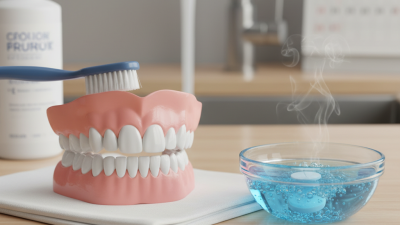
Daily care is practical but easy to underestimate. Remove the prosthesis as instructed, rinse it after meals, and clean it with a soft brush. Ordinary toothpaste may be too abrasive for some materials. Keep it moist when stored, unless your dental professional gives different guidance. Never adjust it yourself. A poorly fitting denture may cause ulcers, chewing difficulty, or unclear speech.
It is not a perfect substitute.
Patients sometimes expect immediate comfort and natural chewing strength. That expectation needs honest discussion. Muscles and the tongue require time to coordinate movement. Follow-up visits can improve the fit through careful adjustments. Persistent pain, looseness, clicking, or sudden changes deserve prompt professional review. Even a well-made prosthesis may need relining or replacement as the mouth changes over time.
Removable Dental Prostheses and Their Common Uses
Removable prostheses can replace missing teeth and surrounding oral tissues. Complete dentures replace all teeth in one arch, removable partial dentures replace some missing teeth, overdentures are supported by remaining teeth or implants, and immediate dentures are placed soon after tooth extraction.
Fixed Prostheses and Implant-Supported Options
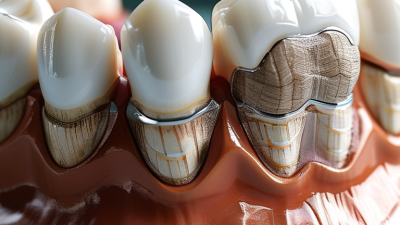
Fixed dental prostheses replace missing or damaged teeth without daily removal. A crown covers a weakened tooth and restores its shape, strength, and chewing function. A fixed bridge uses neighboring teeth as supports for one or more artificial teeth. It can improve speech and appearance, but healthy supporting teeth may need reshaping. That trade-off deserves careful discussion.
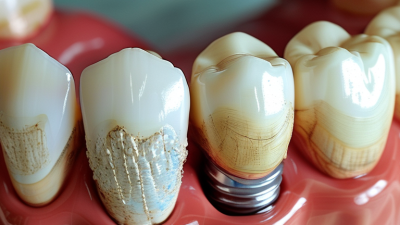
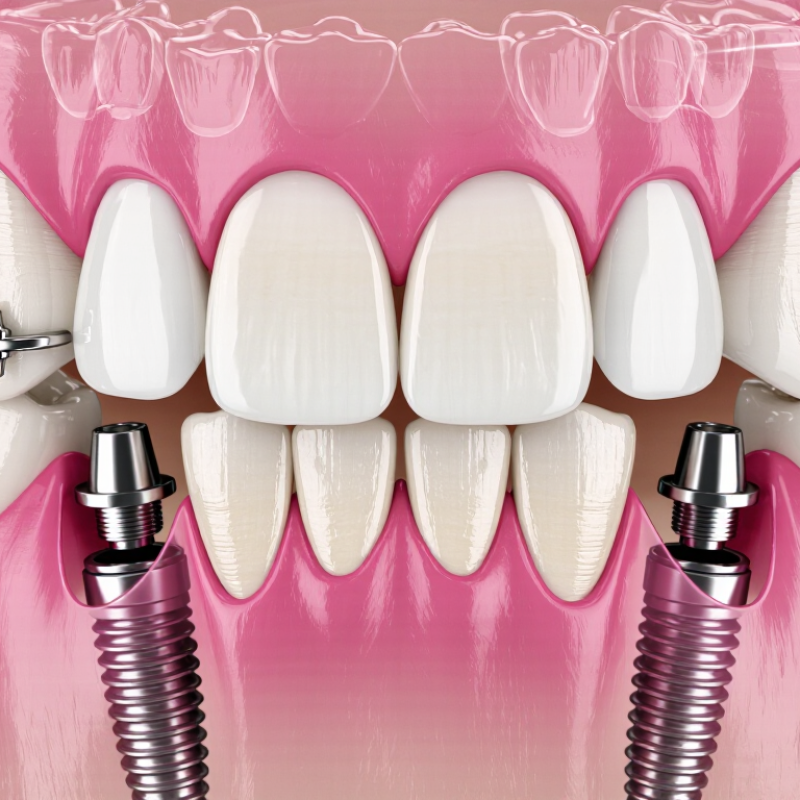
Implant-supported prostheses use dental implants placed inside the jawbone. After healing, an implant can support a single crown, a bridge, or a full-arch prosthesis. These restorations usually feel more stable during eating and can reduce movement compared with removable dentures. They also help preserve chewing function after tooth loss. Implants are not magic. Bone volume, gum health, general health, and healing capacity affect suitability. A clinical examination and appropriate imaging are essential before treatment.
The best option depends on more than appearance. Dentists should assess the bite, cleaning ability, existing restorations, and long-term maintenance needs. A fixed bridge may be practical when neighboring teeth already need crowns. An implant may protect adjacent teeth from preparation, but it requires surgery, healing time, and consistent hygiene. Even excellent work can fail when plaque remains around the gumline. Daily brushing, interdental cleaning, and professional reviews help detect looseness, inflammation, or wear early. Patients should also ask about repair options, expected lifespan, and the consequences of delaying care.
Choosing a Prosthesis Based on Individual Needs
What Is a Dental Prosthesis and What Types Are Available?
Choosing a prosthesis should begin with your daily needs, not a catalogue picture. The World Health Organization’s 2022 Global Oral Health Status Report estimates that nearly 3.5 billion people live with oral diseases. Tooth loss is common, but each mouth presents different challenges. A removable partial denture may suit several missing teeth and a limited budget. A complete denture can restore basic chewing after full tooth loss. Fixed bridges may offer stability when neighboring teeth are strong. Implant-supported prostheses can improve retention, but they require adequate bone, healing time, and careful maintenance.
Tips: Ask your dentist to compare comfort, cleaning, lifespan, and repair needs. Bring up speech, food preferences, and hand dexterity. These details often change the recommendation. The American College of Prosthodontists estimates that 36 million Americans have no teeth, while 120 million are missing at least one tooth. Those figures show the scale of need, not a universal treatment plan.
A clinical examination should include gum health, bite forces, bone condition, and remaining teeth. Digital scans or radiographs may clarify hidden problems. Medical history also matters, especially healing concerns and medication use. Cost deserves an honest conversation. The most advanced option is not always the most practical. Expectations can be imperfect, too. A prosthesis may restore function without feeling exactly like natural teeth. Regular reviews help detect pressure spots, looseness, or changes in fit before small discomfort becomes a larger problem.