Leave Your Message

Top Cosmetic Dental Veneers Suppliers Worldwide?

Cosmetic Dental Veneers have moved from a niche aesthetic treatment into a significant segment of restorative and digital dentistry. Grand View Research and Fortune Business Insights both report continued growth in the global dental veneers market, driven by cosmetic demand, CAD/CAM manufacturing, and improved ceramic materials. Their market estimates differ because they define veneers, regions, and product channels differently. That difference matters. Market size alone cannot identify the most dependable supplier.

This guide examines leading Cosmetic Dental Veneers suppliers worldwide through practical and verifiable criteria. These include material quality, laboratory consistency, digital design capability, production capacity, turnaround times, and technical support. It also considers traceability, documented quality systems, and compliance with applicable medical-device requirements. Suppliers working with lithium disilicate, feldspathic porcelain, or advanced zirconia may serve different clinical needs. A thin anterior veneer and a highly durable restoration are not identical products.

The strongest supplier is not always the largest company. Sometimes, a smaller laboratory provides better shade communication and faster case feedback. However, limited capacity can create delays during busy seasons. That is an important weakness to acknowledge. Reports from the International Organization for Standardization and regulatory agencies, including the U.S. Food and Drug Administration, reinforce the value of controlled manufacturing and documented processes. Still, certifications do not replace clinical judgment. Dentists and laboratories should verify product specifications, dentist-use indications, sample cases, warranty terms, and communication standards before purchasing. This overview offers a balanced starting point, not a permanent ranking. Supplier performance can change with ownership, equipment, staffing, and regional demand.
Top Cosmetic Dental Veneers Suppliers Worldwide?

What Are Cosmetic Dental Veneers and How Do They Work?

What Are Cosmetic Dental Veneers and How Do They Work?

Cosmetic dental veneers are thin shells placed over the front surfaces of teeth. They can improve discoloration, small chips, uneven edges, and minor spacing. Porcelain usually offers a glass-like appearance, while composite resin can be shaped directly in the dental office. The process often includes an examination, shade selection, enamel preparation, digital scanning or impressions, and final bonding with dental cement. The dentist also checks your bite, because attractive teeth still need to function comfortably.

Grand View Research reported that the global dental veneers market was valued at approximately USD 2.1 billion in 2023. Its analysis expects continued growth through 2030, partly because patients seek minimally invasive cosmetic treatments. However, market growth does not prove that veneers suit everyone. The World Health Organization’s 2022 oral health report estimates that nearly 3.5 billion people experience oral diseases worldwide. Existing decay, gum inflammation, or grinding should be addressed before cosmetic treatment. Veneers may require permanent enamel removal. That detail deserves more attention.

Tips: Ask how much enamel will be removed. Request a written treatment plan and material details. Review the dentist’s training and clinical cases. Avoid choosing shade from photographs alone. Very white veneers can look artificial under daylight. Daily brushing, flossing, and regular examinations remain essential. A night guard may help patients who clench or grind, but it is not a complete solution.

How to Evaluate Worldwide Cosmetic Dental Veneer Suppliers

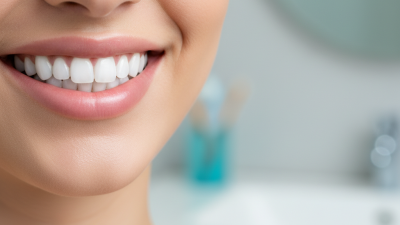
Evaluating worldwide cosmetic dental veneer suppliers starts with clinical evidence, not polished catalogs. The WHO’s Global Oral Health Status Report 2022 estimates that nearly 3.5 billion people live with oral diseases. That scale makes material safety, durability, and repair support practical purchasing concerns. Request technical files for ceramic composition, flexural strength, bonding guidance, and biocompatibility testing. Prefer suppliers offering batch numbers, shade references, digital libraries, and documented quality controls. Ask whether production follows ISO 13485 principles or applicable medical-device requirements in the destination market. Paperwork matters.

A reliable evaluation uses more than one sample. Order pilot cases and inspect marginal fit, translucency, surface texture, packaging, and delivery consistency. Ask an independent dental technician to compare several units under neutral lighting. Record remake rates, response times, and corrective actions. Grand View Research’s 2024 Dental Veneers Market report projects an 8.3% compound annual growth rate through 2030, although commercial estimates differ by market scope. Fast growth can increase supplier choices, but it may also hide uneven manufacturing discipline.

Price deserves careful interpretation. A low quote may exclude shade customization, revisions, shipping protection, or clinical support. I would request a complete landed-cost sheet before comparing offers. Check how suppliers handle cracked restorations, incorrect shades, and delayed cases. Their written response often reveals more than a sales presentation. One weakness remains easy to miss: published test results may not predict every patient’s bite, habits, or preparation quality. A supplier should state those limits clearly. That honesty is a useful quality signal.

Top Cosmetic Dental Veneers Suppliers Worldwide? - How to Evaluate Worldwide Cosmetic Dental Veneer Suppliers

Evaluation Dimension Relevant Supplier Data Practical Benchmark or Requirement Documents or Evidence to Request Recommended Weight
Quality management system Manufacturing quality controls and documented production procedures A current ISO 13485 certificate issued for the relevant manufacturing site is a strong indicator for medical-device production controls. Certificate, scope, expiry date, issuing certification body, and manufacturing-site address 15%
Regulatory status Market-specific authorization and product classification The supplier should clearly identify the legal manufacturer, intended use, classification, and applicable market pathway. Do not treat a general quality certificate as proof of market approval. Declaration of conformity where applicable, registration details, technical documentation summary, and labeling samples 15%
Material composition Veneer material, ceramic type, resin system, fillers, and thickness range Common dental veneer materials include porcelain-based ceramics and resin-based materials. The supplier should disclose the exact material and provide compatible clinical indications. Material datasheet, safety data, technical specifications, and authorized-use guidance 12%
Dimensional accuracy Fit consistency, marginal adaptation, thickness tolerance, and shade reproducibility Require documented internal tolerances and inspect representative samples against approved CAD files, models, or clinical prescriptions. Inspection records, sample measurements, quality-control plan, and acceptance criteria 12%
Customization capability Digital workflow, smile-design support, shade selection, tooth morphology, and individualized prescriptions A capable supplier should accept common dental files and provide a documented approval process before final production. Supported file formats, design proof, revision policy, shade guide, and prescription form 10%
Production lead time Time from approved prescription to dispatch Compare suppliers using the same case type. Custom cases commonly require several working days, while complex cases may take longer; the written service-level commitment matters more than a promotional estimate. Lead-time schedule, case-status process, rush-order terms, and delay-notification procedure 8%
Packaging and traceability Case identification, protective packaging, batch records, and shipping documentation Every case should be traceable to an order, production date, material batch, and inspection record where applicable. Sample label, packing specification, batch-traceability procedure, and damage-claim process 8%
Shipping and international service Supported destinations, courier options, customs documentation, and delivery visibility Evaluate actual delivery performance to the target country, including customs handling and replacement procedures for transit damage. Shipping terms, tracking example, export documents, insurance terms, and destination restrictions 6%
Remake and warranty policy Eligibility for remakes, correction procedures, exclusions, and response time The policy should distinguish manufacturing defects, inaccurate prescriptions, patient-related changes, and transit damage. Written warranty, remake form, evidence requirements, turnaround commitment, and refund terms 6%
Sample and verification process Availability of paid samples, pilot cases, reference work, and pre-production approval Complete a small pilot order before committing to volume. Review fit, surface finish, shade, communication, packaging, and delivery consistency. Sample invoice, pilot-order checklist, inspection report, and corrective-action records 5%
Commercial transparency Pricing structure, minimum order quantity, payment terms, and total landed cost Compare the complete cost, including design fees, shipping, customs, remakes, rush charges, and taxes rather than unit price alone. Formal quotation, payment schedule, incoterms, fee list, and price-validity period 3%
Total Evaluation Weight 100%
Evaluation note: Regulatory requirements, import rules, and clinical responsibilities vary by destination market. Verify current requirements with the relevant authority and qualified dental professionals before purchasing or using any dental veneer product.

Which Countries Lead the Global Veneer Supply Market?

Which Countries Lead the Global Veneer Supply Market?

Global veneer supply is concentrated in countries with advanced dental laboratories, ceramic manufacturing, and strong export networks. Grand View Research estimates that the global dental veneers market was valued at approximately USD 2 billion in 2023, with continued growth expected through 2030. The United States remains a major demand center, supported by high cosmetic dentistry spending and extensive laboratory capacity. Germany and Switzerland are recognized for precision ceramics, digital scanning, and strict laboratory workflows. Their products often emphasize fit, shade stability, and long-term clinical performance.

China, South Korea, and Turkey have become important production and export hubs. China benefits from large-scale manufacturing and competitive processing costs. South Korea combines digital design with increasingly sophisticated ceramic workflows. Turkey has expanded its dental laboratory sector, partly through international treatment demand and established technician networks. Industry analysis from Fortune Business Insights and MarketsandMarkets identifies Asia-Pacific as one of the fastest-growing regions for dental materials and cosmetic procedures. However, the ranking is not perfectly clean. Trade reports often combine veneers with broader dental prosthetics, making country comparisons less precise.

In practical purchasing, country of origin is only one signal. Laboratories should examine material certificates, technician qualifications, shade-matching protocols, remake rates, and delivery records. A veneer arriving in a small protective case should still carry traceable documentation. Prices can look attractive, but inconsistent preparation guidance may create chairside adjustments and delays. That weakness deserves more attention. Reports provide market direction, not proof of individual supplier quality.

What Products, Materials, and Services Do Suppliers Offer?

Top Cosmetic Dental Veneers Suppliers Worldwide: What Products, Materials, and Services Do Suppliers Offer?

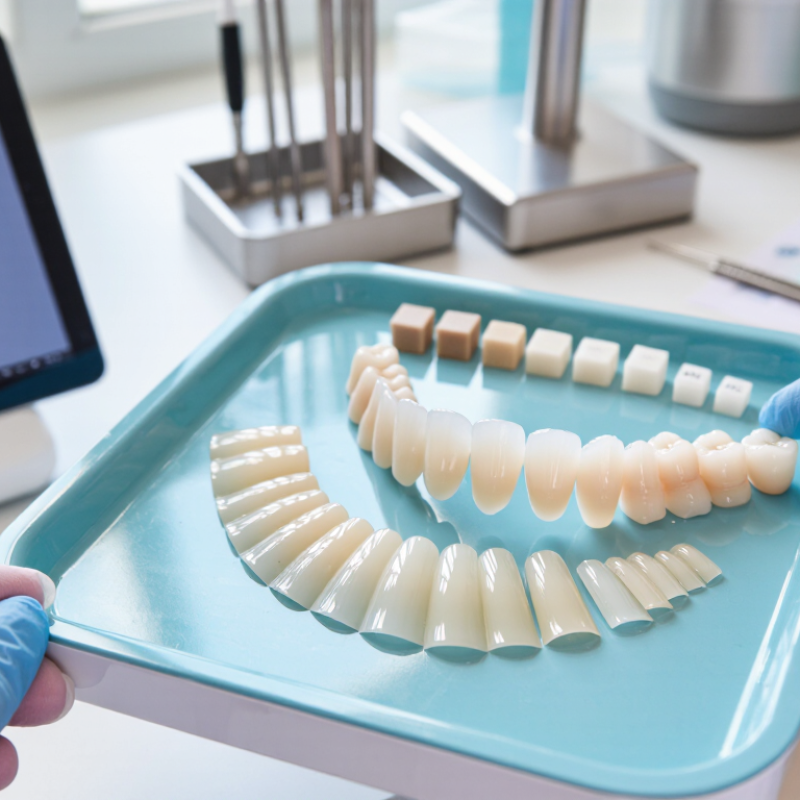
Reliable cosmetic veneer suppliers usually provide several product types, not only finished shells. Common options include feldspathic porcelain, lithium disilicate, zirconia, and composite resin. Each material differs in translucency, strength, repairability, and preparation requirements. CAD/CAM design, digital smile previews, custom shade matching, and laboratory fabrication are also widely offered. Some suppliers provide trial veneers, preparation guides, cement systems, delivery tracking, and technical training for dental teams.

Industry data shows why this category continues expanding. Grand View Research reported that the global dental consumables market reached approximately USD 38 billion in 2023, with strong projected growth through 2030. The World Health Organization’s Global Oral Health Status Report estimates that nearly 3.5 billion people live with oral diseases. These figures indicate broad treatment demand, but they do not guarantee equal demand for elective veneers. Supplier claims still require careful checking. Materials can perform differently in real mouths.

Tips: Ask for ISO-related quality documentation, batch traceability, shade protocols, and clinical handling instructions. Confirm whether digital files, remakes, adjustments, and repairs are included. Request independent test data when strength or stain resistance is advertised. Experienced clinicians know that shade matching under bright operatory lights can be misleading. A small lighting error may become obvious beside natural teeth. The most attractive catalogue image is not always the safest clinical choice.

How to Choose a Reliable Supplier for Your Dental Practice

Top Cosmetic Dental Veneers Suppliers Worldwide?

Choosing a cosmetic veneer supplier requires more than comparing prices. A reliable partner should provide clear material specifications, batch traceability, and documented quality checks. Ask for recent laboratory reports, technician qualifications, and evidence of consistent shade matching. Sample cases matter. Review photographs under natural and operatory lighting. Small differences become obvious chairside. A supplier that avoids technical questions deserves caution.

In practice, delivery reliability can affect patient trust. Confirm production times, packaging standards, remake policies, and direct communication with technical staff. Request a written process for damaged units or inaccurate margins. Good suppliers explain limitations instead of promising perfect results. That honesty helps. Check whether their instructions support your bonding system and preparation approach. Do not rely on a polished catalog alone. Speak with established dental laboratories or clinicians who have handled similar cases. Their feedback may reveal recurring delays, fit concerns, or weak after-sales support.

Professional judgment still matters. A veneer may look excellent in a sample but behave differently across complex cases. Review trial units, assess edge adaptation, and record your findings before placing larger orders. I have learned that rushed purchasing creates avoidable remakes. Yet no supplier performs perfectly every time. The important question is how quickly, clearly, and fairly problems are addressed. Keep evaluation records, including shade results, delivery dates, and patient feedback. These details make supplier decisions more defensible and improve future clinical planning.