Leave Your Message

What Are the 2026 Top Types of Acrylic Dental Implants?

Acrylic Dental Implants are gaining attention in 2026, especially where comfort, appearance, and affordability influence treatment choices. Yet the category is not perfectly defined. Some providers use the term for acrylic-based implant restorations, while others describe temporary prosthetic solutions supported by implants. That difference matters.

“ The goal of implant dentistry is not to replace a tooth, but to replace a tooth with something better,” said prosthodontist Dr. Carl E. Misch. His principle remains useful when comparing today’s leading options. A polished acrylic arch may look natural under clinic lighting, but chewing pressure, staining, repair needs, and long-term maintenance deserve equal attention. Clinical experience shows that material selection should follow bone conditions, bite forces, hygiene habits, and the patient’s expectations.

This guide examines the top types of Acrylic Dental Implants discussed for 2026. It considers acrylic fixed-arch restorations, removable implant-retained acrylic dentures, temporary acrylic teeth, and hybrid designs combined with metal or reinforced frameworks. Each type offers practical strengths. Each also has limits.

The details can be surprisingly tangible. A patient may notice a lighter smile restoration, easier cleaning, or a small change in speech. Another may experience acrylic wear around the chewing surfaces after months of use. No single design suits everyone. That is the uncomfortable truth. Evidence, clinician training, laboratory quality, and regular reviews can change the outcome significantly. Readers should treat this overview as educational guidance, not a personal diagnosis or a substitute for an examination by a qualified dental professional.
What Are the 2026 Top Types of Acrylic Dental Implants?

Acrylic Dental Implants: Definition, Structure, and Clinical Purpose

What Are the 2026 Top Types of Acrylic Dental Implants?

Acrylic Dental Implants: Definition, Structure, and Clinical Purpose

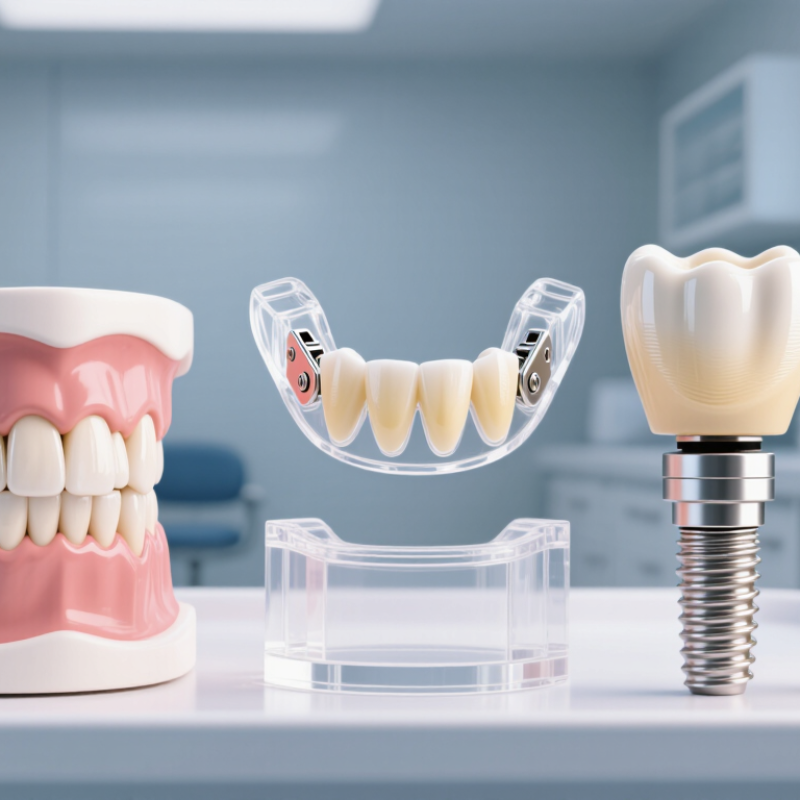
What does “acrylic dental implant” mean in 2026? Usually, it does not mean an acrylic root-shaped fixture. Most acrylic components use polymethyl methacrylate (PMMA), a moldable resin with pigments and reinforcing fillers. Clinicians mainly use it for provisional implant crowns, full-arch fixed temporaries, overdenture teeth, and denture bases. The buried fixture is normally titanium or zirconia, while acrylic forms the visible, replaceable prosthesis. That distinction prevents a costly misunderstanding.

The most practical acrylic types serve different clinical stages. Provisional crowns test speech, chewing, smile design, and bite stability during healing. Full-arch acrylic temporaries restore function after extensive implant placement. Acrylic overdentures combine a removable base with attachment-supported retention. The World Health Organization’s Global Oral Health Status Report (2022) estimates that oral diseases affect nearly 3.5 billion people worldwide. The American College of Prosthodontists also estimates that about 36 million Americans are edentulous. These figures explain the demand for affordable, adaptable prosthetic solutions. Acrylic remains useful, but it can fracture, stain, or wear faster than stronger definitive materials. That weakness matters.

Tips: Ask whether the acrylic is temporary or intended for long-term service. Check the PMMA design, reinforcement, bite plan, repair access, and cleaning instructions. Digital scans can improve fit, but clinical judgment still decides success. The terminology remains confusing, and patient explanations should be clearer.
Major Types of Acrylic Dental Implants Available in 2026

Major Types of Acrylic Dental Implants Available in 2026

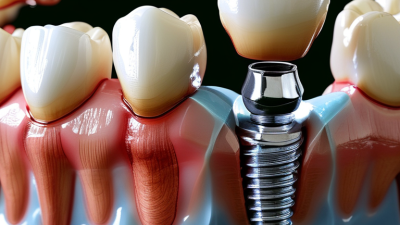
In 2026, “acrylic dental implants” usually means acrylic prosthetic components, not the implant fixture itself. The fixture is commonly titanium or ceramic, while acrylic replaces visible teeth and gum-colored tissue. This distinction matters during treatment planning.

The first major type is the implant-retained acrylic overdenture. It clips onto two or more fixtures and can improve chewing stability compared with a conventional denture. The acrylic base is repairable, but it may stain, fracture, or wear under heavy biting. Real experience shows that fit often changes after extraction and bone remodeling.

Another type is the immediate acrylic provisional restoration. It helps patients leave surgery with visible teeth while tissues heal. It is lighter and easier to adjust than a final prosthesis. It is not designed for unlimited chewing. Some patients forget that.

A third option is an acrylic fixed provisional bridge, supported by several implants. Dentists may use it to test tooth length, speech, smile design, and bite pressure before fabricating a stronger final restoration. Poor cleaning can cause odor and inflammation around the implants.

The World Health Organization’s Global Oral Health Status Report estimates that oral diseases affect nearly 3.5 billion people worldwide. Market reports, including Grand View Research’s dental implants analysis, show steady growth in implant treatment demand, although acrylic components are rarely reported as a separate market category. That reporting gap deserves attention. Material choice should follow clinical examination, bone support, hygiene ability, and expected loading, not appearance alone.

How Implant Design and Acrylic Materials Differ by Type

What Are the 2026 Top Types of Acrylic Dental Implants?

How Implant Design and Acrylic Materials Differ by Type

In clinical practice, “acrylic dental implant” usually describes the restoration, not the implant body. The implant is commonly titanium or ceramic, while acrylic forms the visible teeth and gum-colored base. This distinction matters for safety, strength, and long-term maintenance.

Removable acrylic overdentures attach to several implants through small connectors. They can improve chewing while remaining easier to remove and clean. Fixed acrylic full-arch restorations stay attached to the implants and provide a more stable biting surface. Their lightweight framework may reduce pressure on healing tissues. Temporary acrylic crowns and bridges protect prepared areas while permanent restorations are made. They also help clinicians test speech, bite height, and appearance. However, temporary acrylic can stain, chip, or wear faster than ceramic materials. I once assumed thicker acrylic always meant better durability. It can also create unnecessary bulk and affect pronunciation.

Tips: Ask what material forms the implant, framework, teeth, and gum section. Request a written cleaning plan. Check whether repairs are possible without replacing the entire restoration. Your dentist should also assess bone volume, bite force, gum health, and nighttime grinding before selecting a design. A small adjustment today may prevent a cracked tooth later.

What Are the 2026 Top Types of Acrylic Dental Implants? – How Implant Design and Acrylic Materials Differ by Type
Type Implant-Supported Design Acrylic Material Commonly Used Typical Clinical Use Main Advantages Key Limitations Typical Service or Replacement Considerations
Acrylic Provisional Crown A temporary crown is attached to an implant abutment or temporary cylinder while the soft tissue and final restoration are being developed. Autopolymerizing or laboratory-processed PMMA; some digitally produced provisionals use milled or printed PMMA-based resin. Short-term protection, function, and esthetic shaping during implant healing or restorative planning. Easy to adjust, repair, polish, and replace; useful for evaluating occlusion and emergence profile. Lower wear resistance, fracture resistance, and color stability than many definitive ceramic or metal-based restorations. Designed for temporary use; inspection is needed for fractures, loosening, wear, and plaque accumulation.
Acrylic Implant-Supported Bridge A fixed or removable bridge framework connects to multiple implants and supports acrylic denture teeth and a gingiva-colored base. Heat-cured PMMA or high-impact acrylic denture resin, usually reinforced by a metal or fiber framework when indicated. Full-arch provisional treatment, transitional fixed teeth, or selected long-term removable or hybrid prostheses. Relatively lightweight, repairable, and capable of replacing both teeth and missing soft-tissue volume. Acrylic teeth and bases can wear, stain, chip, or fracture; the prosthesis may require periodic maintenance. Relining, tooth replacement, polishing, screw access maintenance, and occasional repair may be required.
Acrylic Overdenture A removable denture base is retained by implant attachments, such as locator-style or bar-retained systems, rather than being permanently fixed. Heat-polymerized PMMA, high-impact PMMA, or digitally milled/printed denture-base resin with prefabricated denture teeth. Implant-retained mandibular or maxillary dentures for patients who need improved retention and stability. Removable for hygiene, generally easier to repair than a fixed prosthesis, and can improve retention compared with a conventional denture. Attachment components can wear; acrylic may fracture or loosen around the attachment housing if the design or occlusion is unfavorable. Attachment inserts, housings, relines, occlusal adjustments, and denture-base repairs may be needed over time.
High-Impact Acrylic Hybrid Prosthesis A full-arch prosthesis is retained by several implants and may incorporate a rigid metal or fiber-reinforced substructure beneath the acrylic teeth and base. Cross-linked or impact-modified PMMA designed to improve resistance to crack propagation and repeated loading. Selected fixed full-arch or removable hybrid restorations when repairability and a lighter prosthesis are priorities. More repairable and often lighter than some monolithic alternatives; acrylic can be modified to replace lost gingival contours. Still susceptible to wear, staining, chipping, and fracture; framework design and passive fit remain critical. Requires regular review of hygiene access, occlusion, prosthetic screws, framework integrity, and acrylic wear.
CAD/CAM Milled PMMA Restoration A digitally designed provisional crown, bridge, or full-arch prosthesis is milled from a pre-polymerized PMMA disc and connected to implant components. Industrial-grade, pre-polymerized PMMA with relatively uniform composition and reduced polymerization shrinkage compared with chairside acrylic. Longer-term provisional restorations, immediate-load workflows, diagnostic prototypes, and selected transitional full-arch prostheses. Consistent manufacturing, good polishability, accurate digital reproducibility, and fewer internal voids than many directly mixed acrylics. Not automatically a definitive material; wear and fracture performance depend on thickness, design, occlusion, and support. Can often be remade from the digital file; clinical inspection remains necessary for fit, wear, hygiene, and screw stability.
3D-Printed Acrylic-Based Denture Prosthesis A digitally designed denture base or provisional implant prosthesis is printed in a dental resin and fitted to implant attachments or temporary components. Light-curing methacrylate-based denture-base or provisional resin validated for the intended intraoral application. Digital dentures, provisional implant prostheses, try-ins, and selected immediate or transitional treatments. Efficient digital duplication, reduced manual processing, and convenient integration with digital implant records. Mechanical strength, color stability, surface finish, and long-term clinical evidence vary by resin formulation and post-processing protocol. Must follow validated printing, washing, post-curing, and finishing procedures; periodic replacement or repair may be required.
Acrylic Implant-Supported Immediate Temporary A temporary acrylic crown or bridge is delivered soon after implant placement when primary stability and the treatment plan permit immediate provisionalization. PMMA or other approved provisional resin, often reinforced or designed with reduced occlusal loading. Esthetic-zone provisionalization and selected immediate-loading protocols under controlled occlusal conditions. Can support early soft-tissue shaping and provide immediate provisional esthetics. Not suitable for every patient; excessive movement, bruxism, poor bone conditions, or uncontrolled occlusal forces may increase risk. Requires strict follow-up, hygiene instruction, occlusal control, and assessment of implant stability and peri-implant tissues.
Important terminology: Acrylic is generally used for the temporary or prosthetic component attached to an implant. The endosseous implant body itself is most commonly made from titanium or zirconia, not acrylic. Clinical selection depends on implant stability, loading protocol, occlusion, hygiene, bone and soft-tissue conditions, and the expected duration of use.

Choosing the Right Acrylic Dental Implant for Patient Needs

What Are the 2026 Top Types of Acrylic Dental Implants?

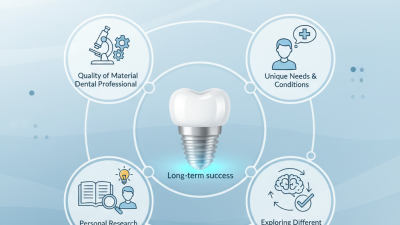
In 2026, “acrylic implant” needs careful explanation. Acrylic usually describes the restoration, not the implant fixture placed in bone. Common options include heat-cured PMMA, high-impact acrylic, milled CAD/CAM PMMA, and digitally printed resin. Each option supports a different patient need. The choice should follow clinical examination, bone stability, bite force, hygiene habits, and treatment expectations.

The World Health Organization’s Global Oral Health Status Report estimates that 3.5 billion people live with oral diseases. It also identifies severe tooth loss as affecting about 267 million people worldwide. These figures show why accessible, repairable prosthetic solutions still matter. Heat-cured acrylic may suit patients needing affordable, adjustable implant-supported teeth. Milled PMMA often offers better consistency and a smoother surface. Printed acrylic can support rapid production, but long-term evidence remains less mature.

For patients with heavy grinding, acrylic may absorb impact better than some rigid alternatives. However, it can wear, fracture, or collect stains. Maintenance is not optional. FDI’s Vision 2030 report emphasizes prevention, patient-centered care, and long-term access. I would not choose material from appearance alone. A patient with limited dexterity may need a simpler, easier-to-clean design. A young patient may need future replacement planning. The compromise is real. Clinicians should explain expected repairs, review occlusion regularly, and document material limitations honestly.

2026 Developments Shaping the Future of Acrylic Dental Implants

What Are the 2026 Top Types of Acrylic Dental Implants?

In 2026, “acrylic dental implants” usually means acrylic restorations supported by dental implants, not acrylic implant fixtures. Titanium and ceramic remain the main fixture materials because they integrate with bone. Acrylic appears in temporary crowns, denture teeth, and implant-supported bridges. Milled PMMA restorations are becoming more precise through digital scanning and CAD/CAM production. They can feel lighter and look natural beside the gum line.

The WHO Global Oral Health Status Report estimates that oral diseases affect nearly 3.5 billion people worldwide. This creates strong demand for accessible, repairable restorations. Grand View Research’s dental implants analysis also projects continued market growth through 2030, supported by aging populations and digital dentistry. In practice, 2026 developments will focus on stronger high-impact acrylic, improved surface polish, and patient-specific design. Some laboratories are testing 3D-printed acrylic components, but long-term clinical evidence remains uneven. That matters.

Clinicians are also studying antibacterial coatings and better maintenance protocols. Acrylic can absorb moisture and develop surface roughness when polished poorly. Food stains may follow. Digital monitoring could help identify wear before fractures appear. Still, acrylic is not a universal solution. It may suit provisional treatment or cost-sensitive cases, but complex bite forces require careful material selection. The International Organization for Standardization’s dental material standards remain useful references, although standards cannot replace clinical judgment.