Leave Your Message

Top Dental Implant Manufacturers for Global Buyers

Choosing a Dental Implant manufacturer is a clinical and commercial decision. Global buyers need more than attractive prices or polished catalogs. They need consistent implant geometry, verified materials, reliable surface treatment, and documented production controls. A tiny thread variation can affect insertion torque. A missing certificate can delay an entire shipment.

Per-Ingvar Brånemark, the pioneer of osseointegration, said, “The human body is not an enemy to be conquered, but a friend to be understood.” His principle remains relevant today. Manufacturers should support biological safety with clinical evidence, quality-system certification, traceability, and transparent instructions for use. They should also provide compatible abutments, surgical kits, restorative components, and responsive technical training. These details matter in real clinics, where a surgeon may open a sterile package under pressure and need the correct component immediately.

This guide examines leading Dental Implant manufacturers for global buyers. It considers product reliability, research strength, regulatory readiness, distribution capacity, and after-sales support. It also recognizes practical differences between markets. A brand trusted in Europe may not offer the same service network in Latin America or Southeast Asia. No ranking is perfect. Buyer priorities vary. Some clinics value premium research, while others need dependable systems and controlled costs. That tension deserves honest attention. The strongest manufacturers combine engineering discipline with clinical humility, because long-term patient outcomes cannot be measured by marketing claims alone. Proper evaluation still requires local regulatory review, qualified professionals, and careful case selection.
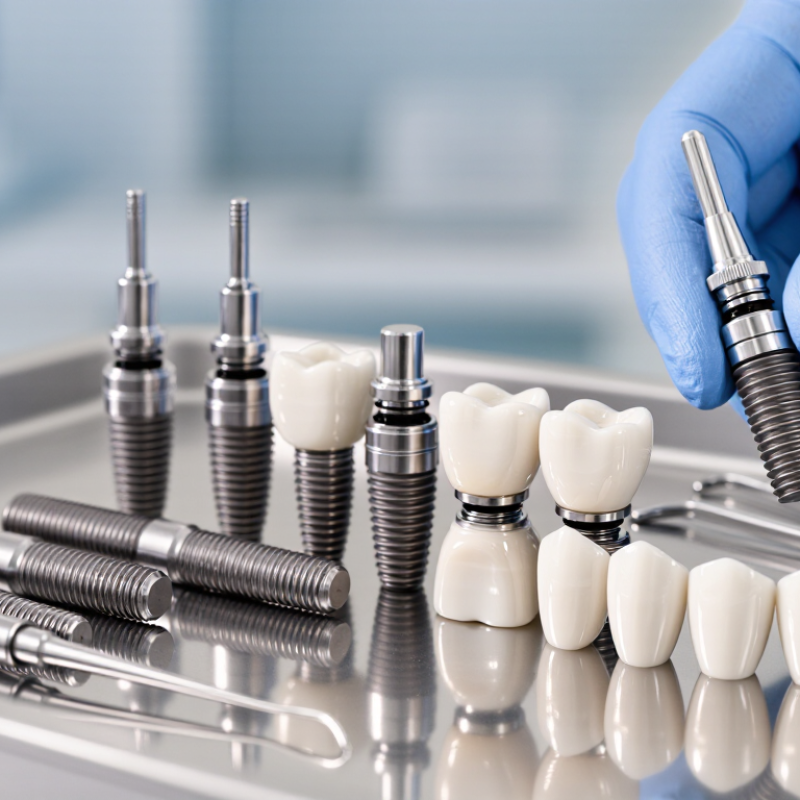
Top Dental Implant Manufacturers for Global Buyers

What Defines a Leading Dental Implant Manufacturer

A leading dental implant manufacturer is defined by more than production volume or a polished catalog. It must show consistent engineering, documented testing, and reliable clinical support. Experienced buyers should examine implant geometry, surface treatment, alloy composition, and connection accuracy. Small dimensional errors can affect placement, prosthetic fit, and long-term maintenance.

Quality begins with controlled manufacturing. A trustworthy supplier uses validated processes, trained technicians, and traceable batches. Each product should carry clear identification and inspection records. Independent testing, regulatory documentation, and post-market monitoring also matter. These details help buyers verify performance instead of relying on attractive claims.

Clinical communication reveals another important difference. Leading manufacturers provide practical surgical guidance, case-based education, and responsive technical assistance. They listen when clinicians report complications or confusing instructions. No manufacturer is flawless. That is worth admitting. A serious company explains limitations, investigates complaints, and updates procedures when evidence changes. Buyers should also ask how quickly replacement parts are supplied and how long product information remains available. A low purchase price may look efficient, yet unstable support can increase treatment delays and operating costs. Careful evaluation, not brand familiarity, helps identify a manufacturer worthy of long-term professional trust.
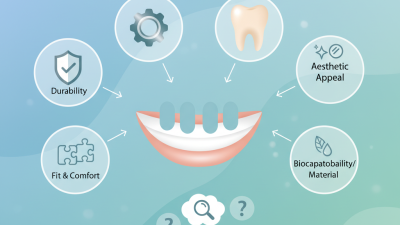
Major Types of Dental Implant Systems and Materials

Top Dental Implant Manufacturers for Global Buyers

Dental implant systems differ in geometry, surgical timing, and prosthetic connection. Endosteal systems remain the standard choice. They sit inside the jawbone and usually use screw-shaped fixtures. Tapered designs can improve initial stability in softer bone, while parallel-wall designs support predictable placement in denser sites. One-stage systems expose the connector immediately. Two-stage systems keep it covered during healing. That distinction affects surgical planning, healing time, and maintenance.

Titanium remains the leading implant material because it combines strength, corrosion resistance, and established osseointegration evidence. Zirconia offers a tooth-colored alternative and may suit patients with aesthetic concerns. However, its mechanical behavior requires careful case selection. No material wins every case. Surface treatments, including roughened or bioactive coatings, can influence bone response, but coating quality and long-term evidence deserve close review.

The World Health Organization’s 2022 Global Oral Health Status Report estimates that nearly 3.5 billion people experience oral diseases, supporting sustained demand for restorative care. Grand View Research valued the global dental implants market at about USD 4.6 billion in 2023 and projected roughly 7% annual growth through 2030. Buyers should examine ISO 13485 quality systems, ISO 10993 biological evaluation, fatigue testing, traceability, and prosthetic compatibility. Catalog claims are not enough. Clinical evidence can be uneven, and that weakness should remain visible during supplier assessment.

Key Regions and Companies in the Global Implant Market

Top Dental Implant Manufacturers for Global Buyers

Key Regions and Companies in the Global Implant Market

Europe remains a major hub for dental implant manufacturing, especially in Germany, Switzerland, Sweden, and Italy. These markets often emphasize precision machining, surface treatment, and long-term clinical documentation. Many established companies operate advanced testing laboratories and maintain detailed production records. Buyers should examine material certificates, batch traceability, and evidence from independent clinical studies. Attractive packaging is not enough.

North American manufacturers commonly compete through research investment, digital workflows, and extensive distributor networks. Their systems may integrate with guided surgery software, scanning devices, and restorative components. South Korean companies have gained attention for efficient production, broad product ranges, and competitive pricing. Japan contributes strong quality-control practices, while manufacturers in Israel and selected Asian markets often focus on specialized engineering. Regional strengths can overlap.

Local support matters greatly. A reliable supplier should provide training, replacement parts, surgical instructions, and responsive technical communication. Import rules, registration requirements, and after-sales obligations vary between countries. Buyers also need to verify whether components are genuinely compatible, not merely similar in appearance. No region is perfect. Even highly experienced manufacturers may have uneven documentation or limited support in smaller markets. I would compare clinical evidence, inspection records, warranty terms, and delivery history before judging price. A lower quotation can become expensive when fitting errors, delays, or unavailable components affect treatment planning.

How to Compare Manufacturers for Quality, Compatibility, and Cost

Top Dental Implant Manufacturers for Global Buyers

Comparing dental implant manufacturers requires more than checking a catalog price. Quality begins with traceable materials, controlled production, and consistent inspection. Ask for material certificates, sterilization data, dimensional tolerances, and clinical evidence. Records matter. ISO 13485 certification supports trust, but it does not replace product-specific verification. An experienced supplier should explain testing methods without vague promises. Independent audits and a responsive quality team add confidence.

Compatibility deserves careful attention. Compare implant diameter, length, connection geometry, abutment options, and surgical instrument requirements. A component may look similar but fail to fit precisely. Request technical drawings and digital library files before placing an order. Check whether replacement parts remain available for several years. This detail is often overlooked. Confirm packaging labels, lot tracking, and instructions in the languages required by your market. Also verify applicable registrations and import documentation before shipment.

Cost comparison should include more than the unit price. Calculate instruments, training, shipping, customs, storage, replacement parts, and warranty support. A low quotation can become expensive when one missing driver delays surgery. However, the highest price is not automatically evidence of superior performance. Compare failure reporting, response times, minimum order quantities, and payment terms. Ask for references from clinics with similar case volumes. No supplier is flawless. A transparent manufacturer will acknowledge limitations, document corrective actions, and explain how feedback changes production. That honesty may matter more than polished sales material.

Top Dental Implant Manufacturers for Global Buyers: How to Compare Quality, Compatibility, and Cost

This procurement benchmark assigns the greatest weight to quality evidence, followed by compatibility and total cost. Quality checks should include ISO 13485 quality-system certification, documented fatigue testing under ISO 14801, traceability, and long-term clinical evidence. Compatibility should cover connection standards, prosthetic components, surgical instruments, and regulatory access in the destination market. Cost should include the implant, abutment, instruments, shipping, training, warranty, and replacement components rather than unit price alone.

International Purchasing, Compliance, and Supply Considerations

Top Dental Implant Manufacturers for Global Buyers

International Purchasing, Compliance, and Supply Considerations

Global buyers should evaluate dental implant manufacturers through documented quality systems, not attractive prices alone. A reliable supplier should provide clear product specifications, material certificates, sterilization records, and lot traceability. ISO 13485 certification can support supplier assessment, but it should not replace independent verification. Certificates need checking.

Regulatory requirements differ between importing markets. Buyers may need product registration, authorized representatives, labeling translations, and post-market reporting procedures. Confirm whether each implant, abutment, and surgical instrument has the required approval for its destination. Customs documents should match the physical shipment exactly. Small errors can delay an entire clinical order.

Supply planning also requires practical evidence. Ask for production lead times, minimum order quantities, packaging details, and replacement procedures for damaged goods. Review how the manufacturer handles temperature exposure, broken seals, and missing batch numbers. Samples can reveal inconsistent thread finishing or unclear instructions. Do not rely only on catalog images.

Payment terms deserve careful review. Advance payment may increase risk when communication is weak. A written inspection process can protect both parties. However, even a detailed contract cannot solve every supply problem. Demand forecasts may be wrong, and transport conditions may change suddenly. Buyers should keep approved alternatives, safety stock, and direct communication with technical staff. Compliance is not a one-time document exercise. It requires regular review, especially when products, regulations, or distribution partners change.